
Kolache – Hungarian Nut Roll
This post may contain affiliate links.

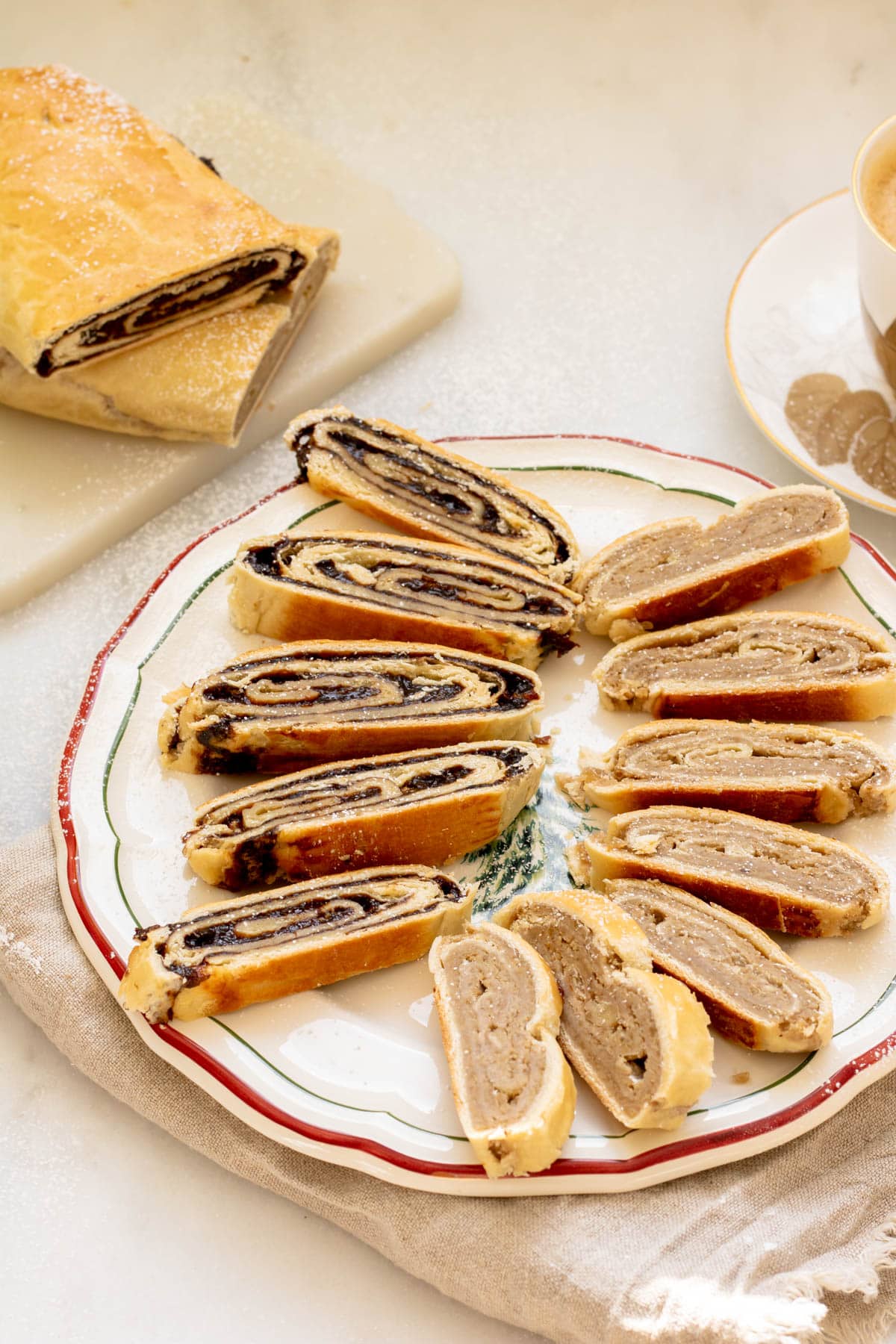
This traditional Hungarian kolache (Hungarian nut roll) is made with a tender, buttery yeast dough, a rich walnut filling, and a very special secret ingredient passed down through generations of my Hungarian family. With homemade walnut and lekvar (prune) fillings, this treasured family recipe has been part of our Christmas celebrations for over 100 years.
And goodness, do I have a story to tell you about this one.
A Recipe More Than 100 Years in the Making
My great-grandmother was a cook in the kitchen of the royal palace in Budapest. When she emigrated to the United States in the early 1900s, she brought this recipe with her, and my family has been making it ever since, passed down from generation to generation.
Those are my mom’s hands you see in these photographs. For several years, she has taken me through this recipe step by step, teaching me not just how to make it, but how to feel it. How the dough should feel beneath my hands, how the filling should spread, how to know when something is just right without relying entirely on a measuring cup or a timer.
Sharing this recipe with you here on the interwebs is a very big deal. I am so proud of this recipe, but I am also deeply honored that my mom agreed to share it.
You see, my grandmother was not particularly fond of sharing her recipes. It is well-established family lore that she would intentionally leave out an ingredient or a step because, well, she wanted you to have the best version of whatever she made at HER house. We have been collectively trying to recreate her coconut cake for over 50 years, to absolutely no avail.
But this recipe? This recipe is fully intact. Every ingredient, every step, every little trick.
And my friends, I will tell you that it requires time and patience and love. I am still not making it perfectly. If you look closely at the photographs, you’ll see that I got a little enthusiastic with the filling and my dough cracked open in places. Something to work on this year.
There is something rather wonderful about having a recipe that I hope to get better at making for the rest of my life.
Let’s Get Baking!
The Three Fillings We Make Every Christmas
In my family, making Hungarian kolache means making three different fillings. Everyone has a favorite, and there would be some very disappointed family members if we showed up at Christmas without all three.
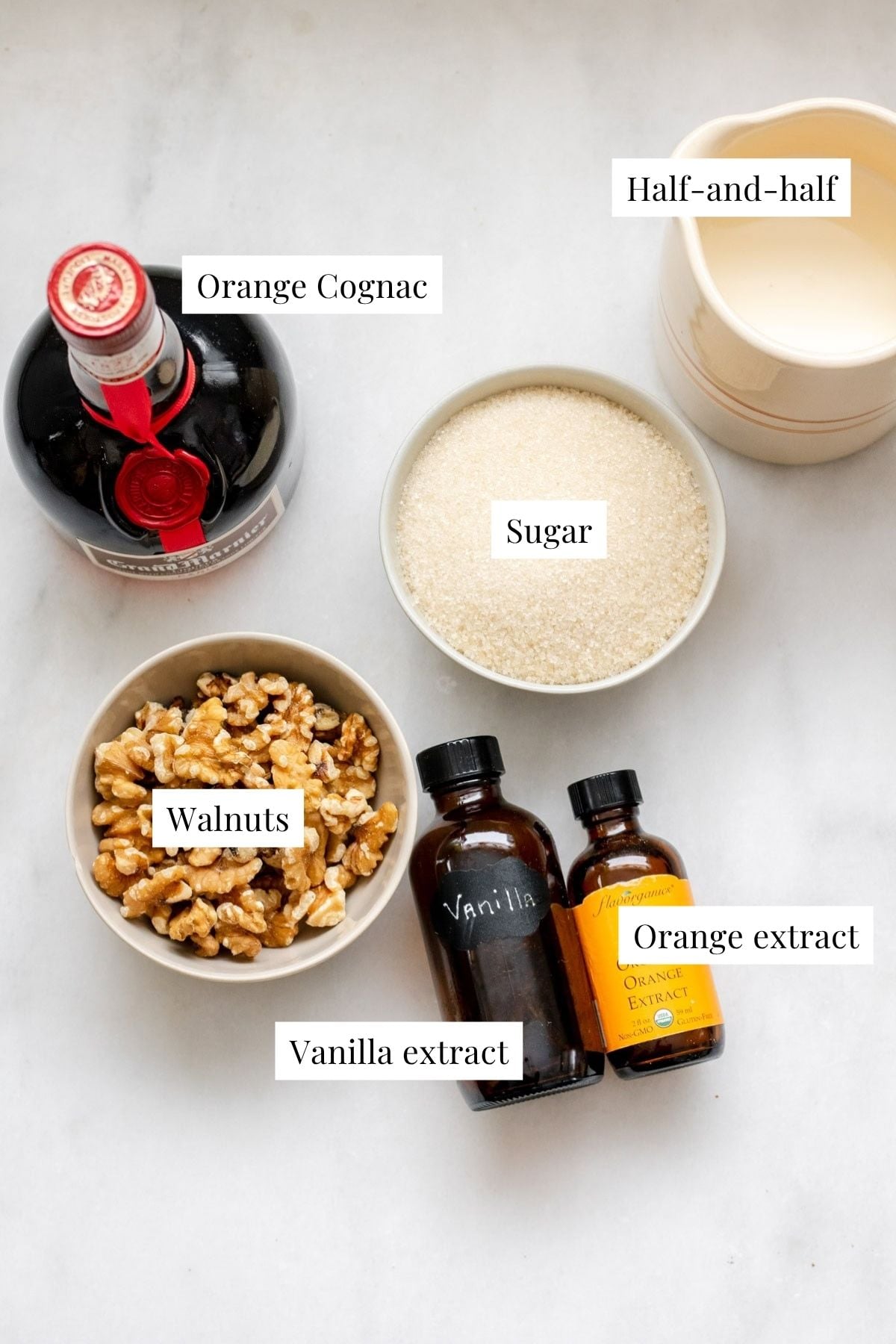
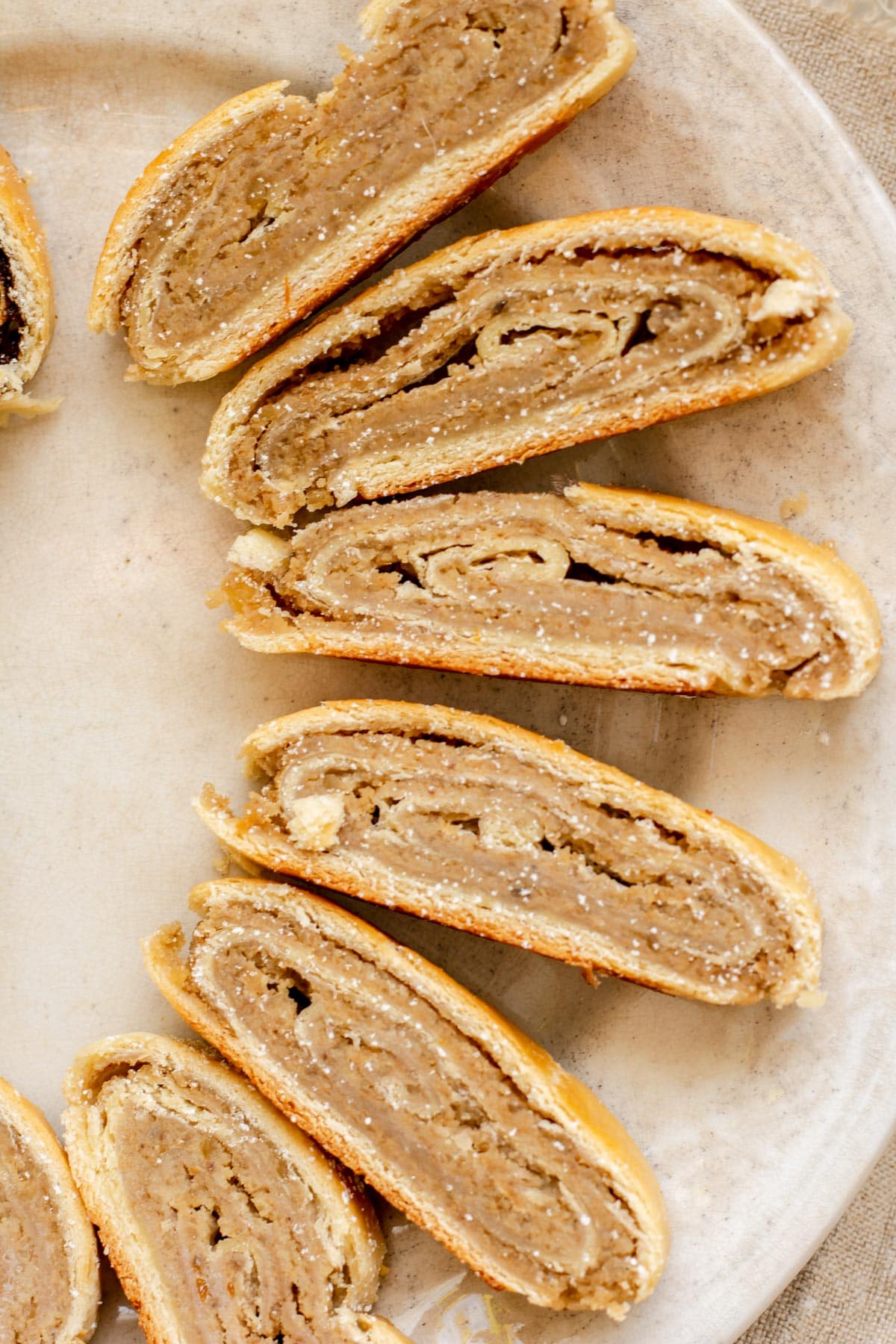
Walnut Filling: The traditional Hungarian nut roll filling. My family has always added orange flavor to our walnut filling, and my mom started adding a splash of Grand Marnier, which I absolutely love. The combination of walnuts and orange is just beautiful.
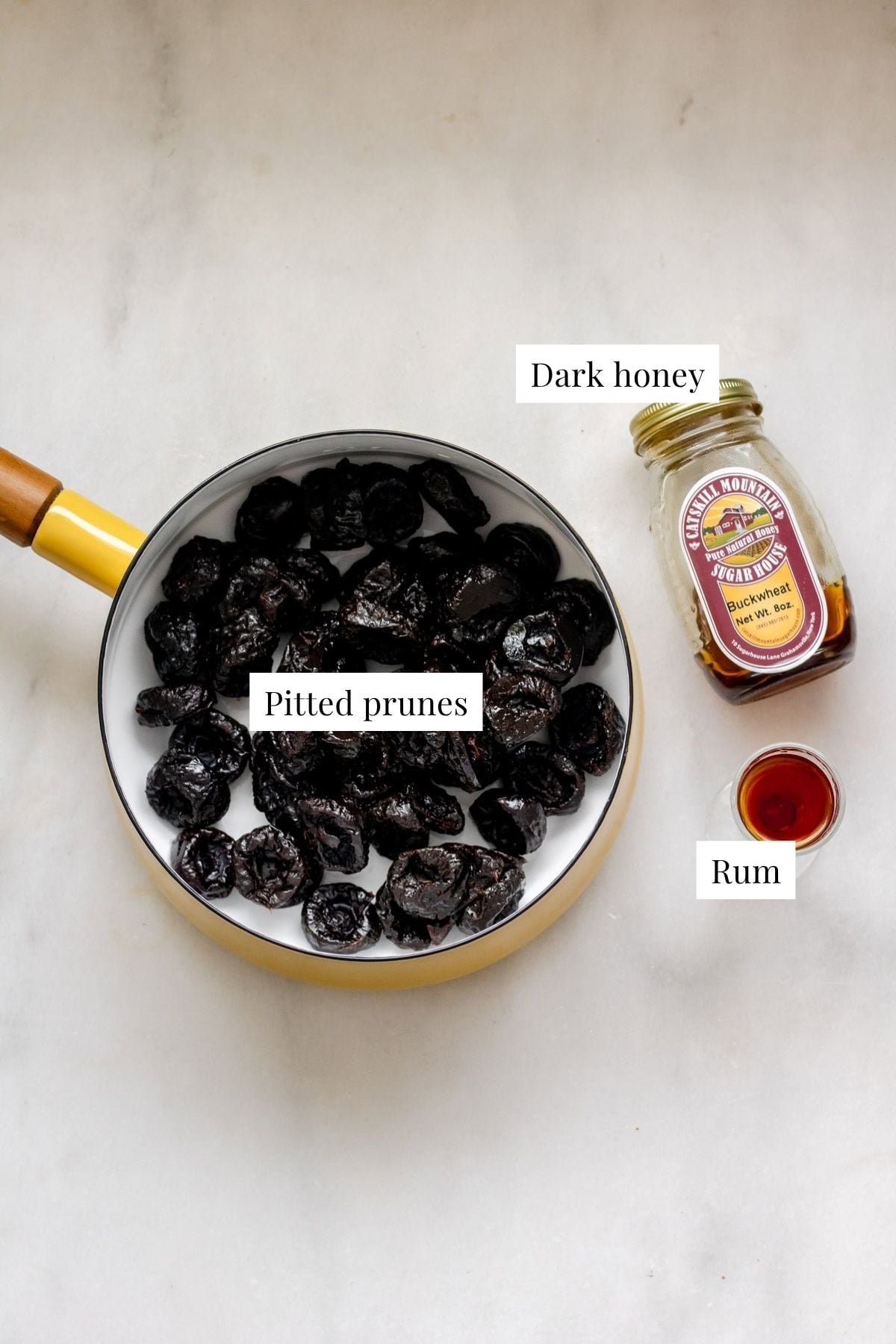
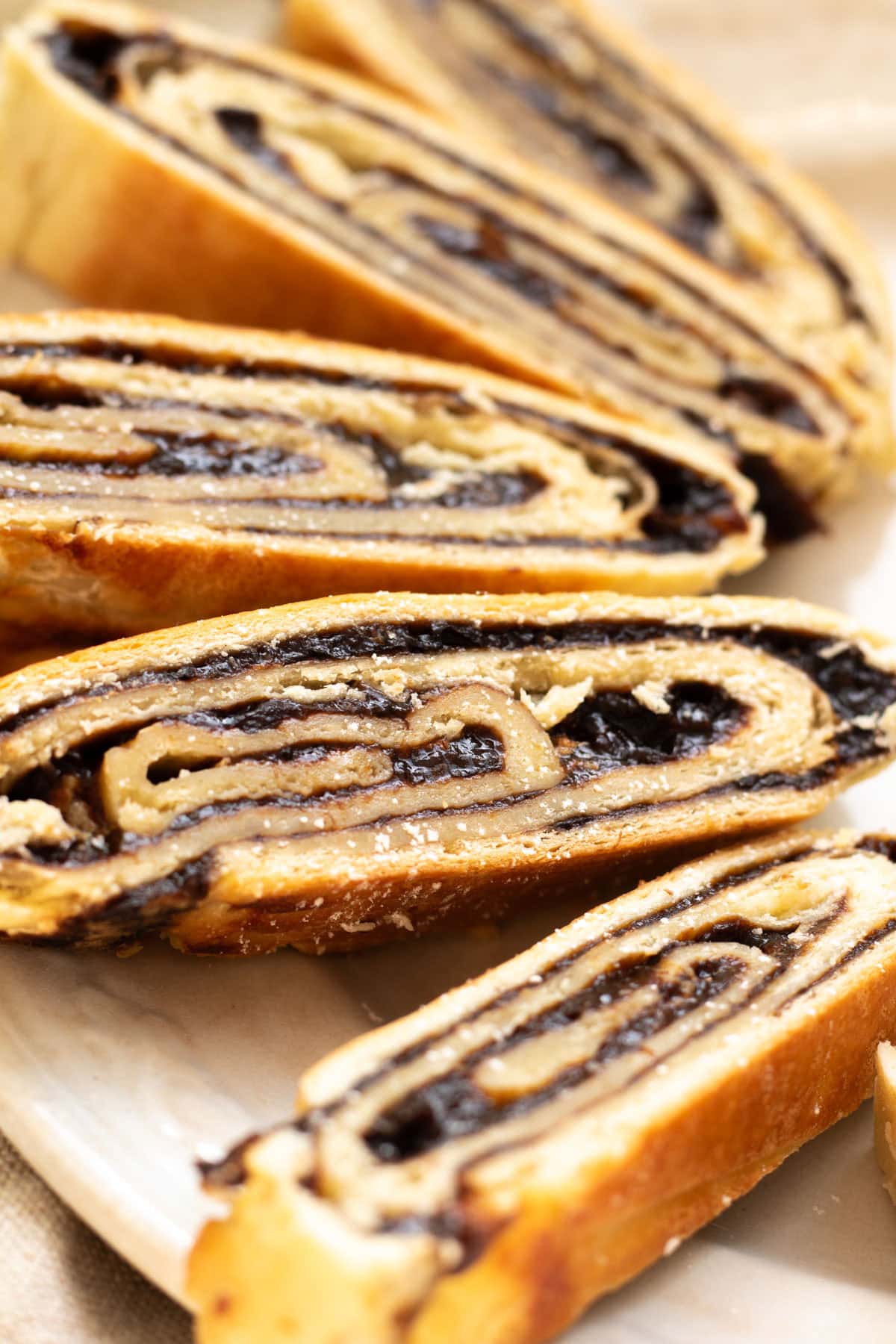
Lekvar (Prune Filling): My sister’s and my personal favorite. We make our lekvar from scratch with prunes, dark honey, sugar, and a splash of dark rum (another of my mom’s additions). It is rich, deeply fruity, and so incredibly good. We always make plenty of this one.
Poppy Seed Filling: Not pictured here, but equally important to our family’s Christmas celebrations because it is my sister-in-law’s favorite. For this one, we have always used a can of prepared poppy seed filling. After all the work that goes into making the dough and the other two fillings, I happily embrace this shortcut.
Ingredients and Helpful Substitution Tips
Detailed measurements and ingredients can be found within the recipe card at the end of this post.
Ingredients You’ll Need
You’ll find the complete list of ingredients and measurements in the recipe card below, but there are a few ingredients worth talking through before you get started.
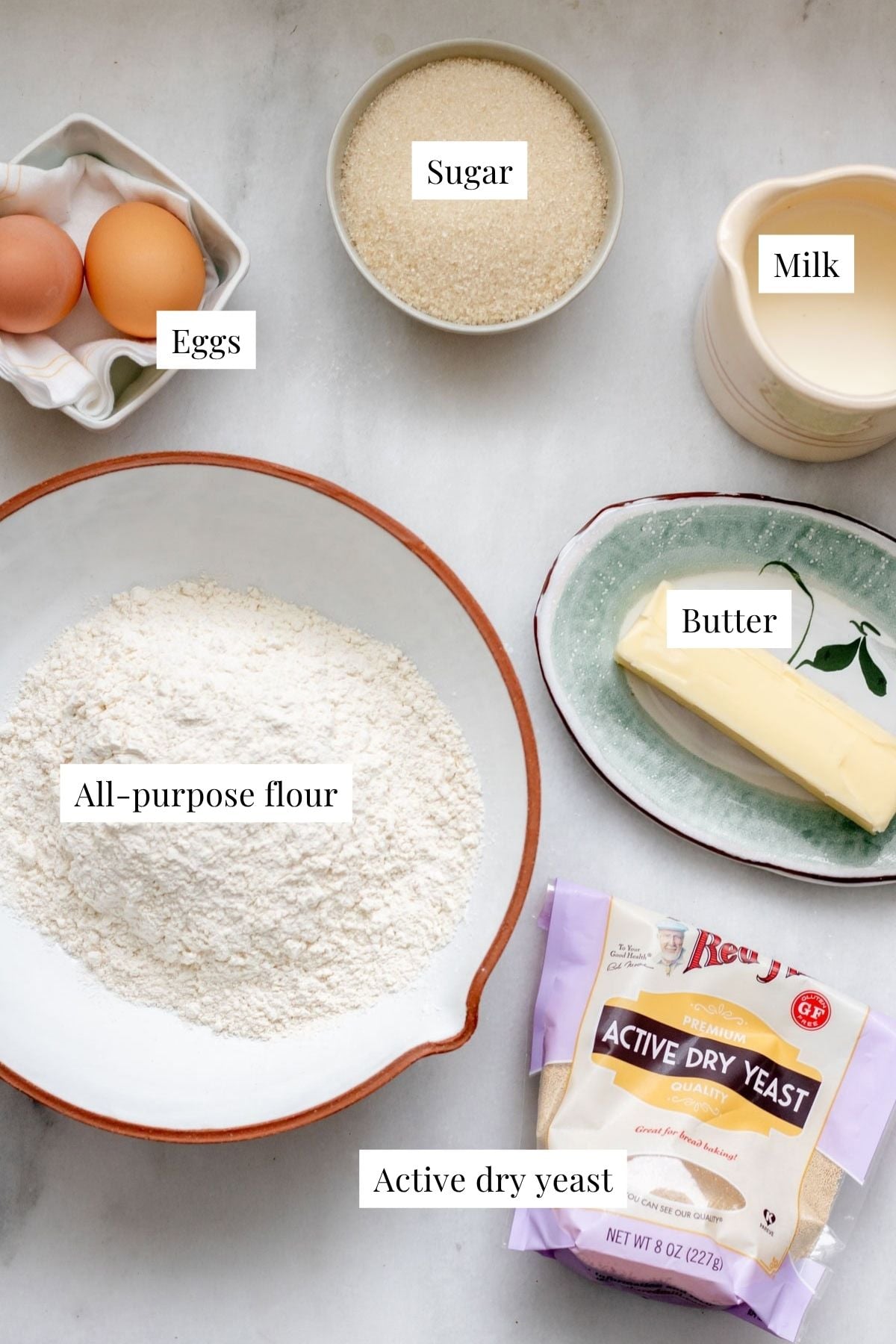
- Butter: A full pound of unsalted butter goes into this dough. This is a rich, buttery pastry dough, and the butter is essential to its tender texture. Allow it to soften to room temperature before mixing.
- Eggs: You’ll use both the yolks and the whites in this recipe, but separately. The yolks enrich the dough, while the whites are reserved for our very important marshmallow layer.
- Flour: Regular all-purpose flour. You’ll also want a little extra for kneading and rolling out the dough.
- Yeast: You’ll need 6¾ teaspoons of active dry yeast, equivalent to three standard packets. You can also use a 2-ounce cake of fresh yeast.
- Milk: A portion of the milk is gently warmed to activate the yeast. My grandmother’s method for testing the temperature was to hold her finger in the milk for 10 seconds. If she could do so comfortably without burning her finger, it was ready. If you prefer to use a thermometer, aim for 105–110°F.
For the Fillings
- Walnuts: The foundation of our traditional nut filling. You’ll grind them in a food processor until fine enough to create a spreadable filling.
- Orange: Orange extract, fresh orange zest, and Grand Marnier bring a lovely brightness to the richness of the walnuts.
- Half-and-half: Used to adjust the consistency of the walnut filling. Add it gradually; you may not need the full amount.
- Prunes: Use pitted prunes for the homemade lekvar. Once cooked and puréed, they create a thick, naturally rich fruit filling.
- Dark honey and dark rum: Both add depth and complexity to the prune filling.
How to Make Hungarian Kolache
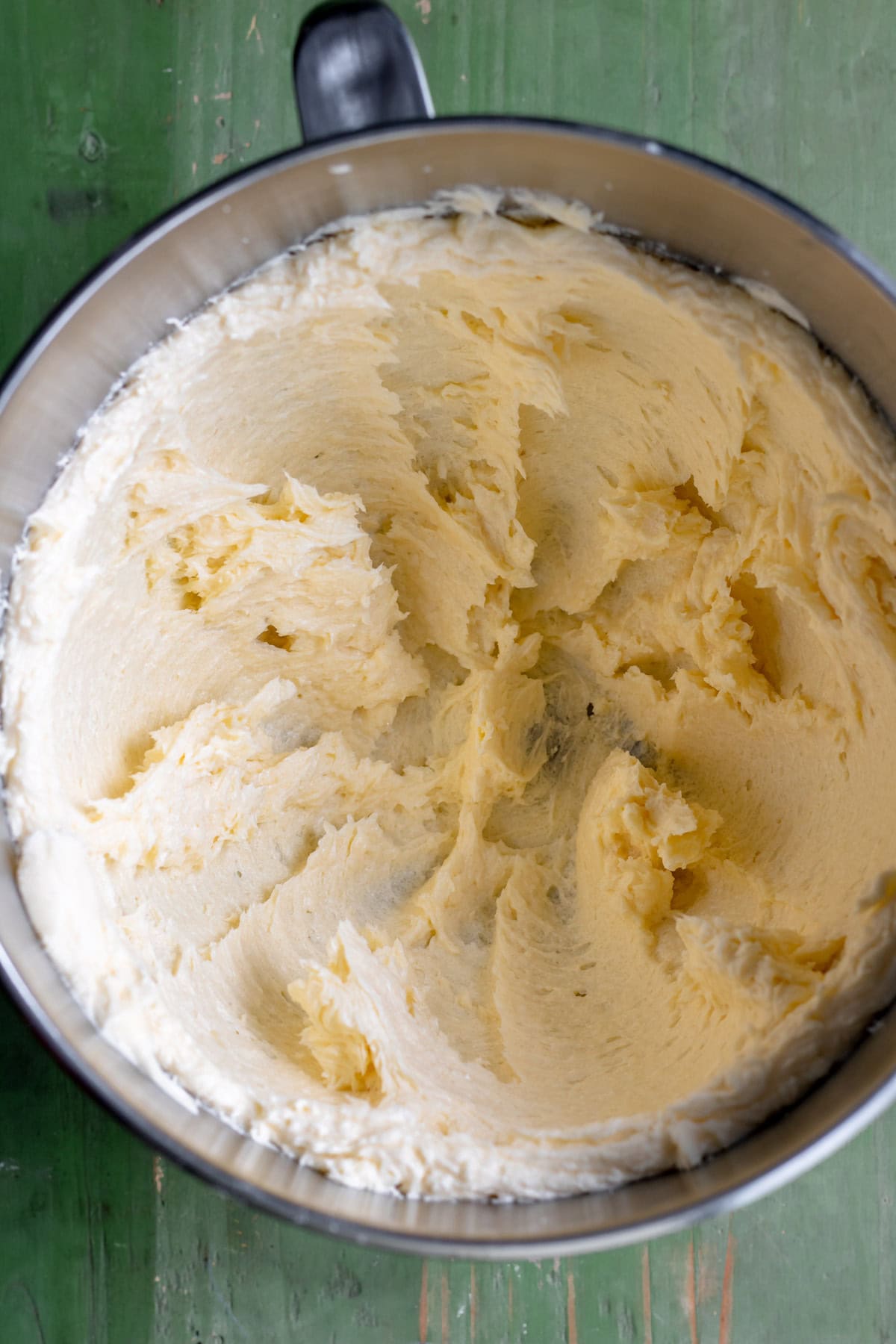
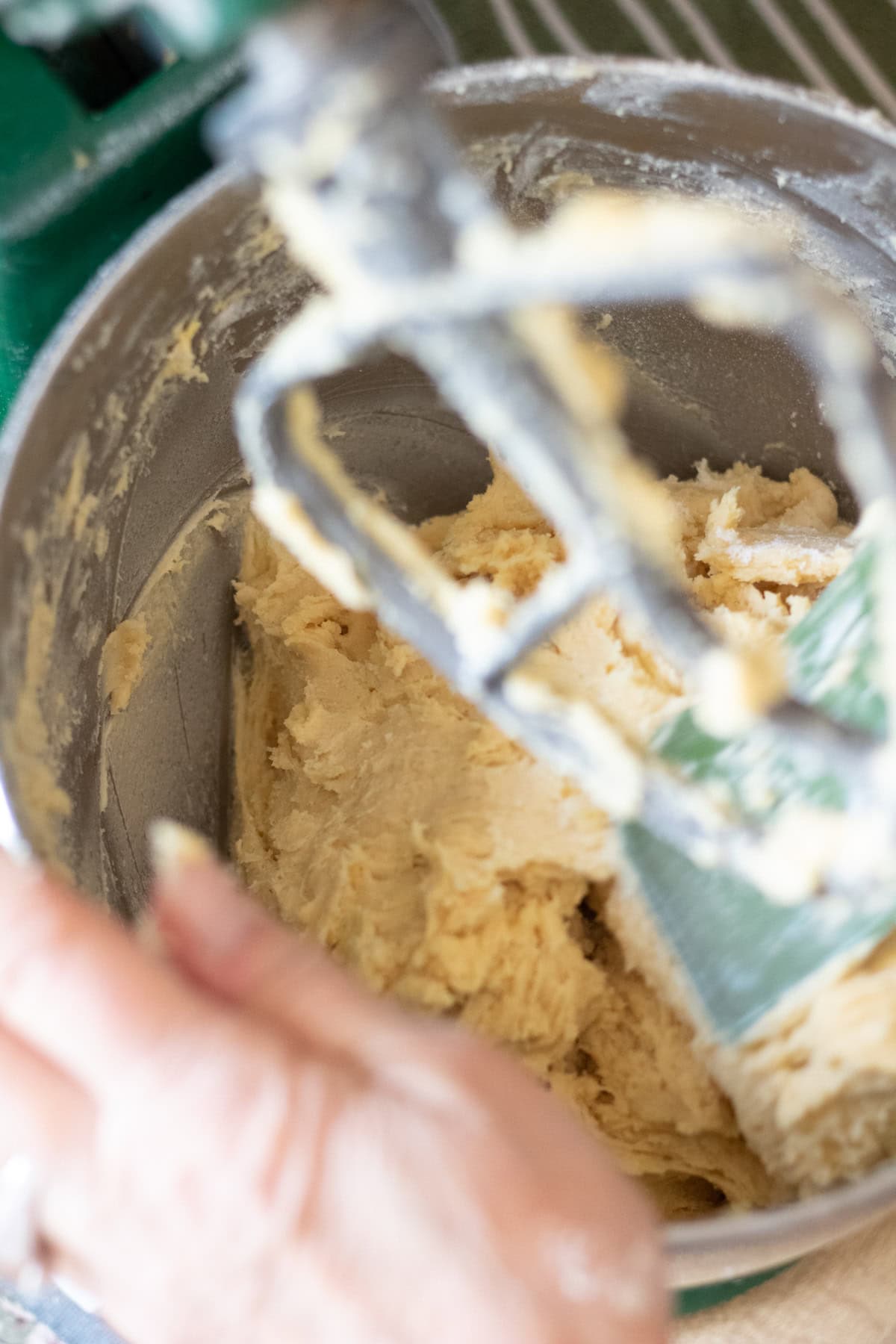
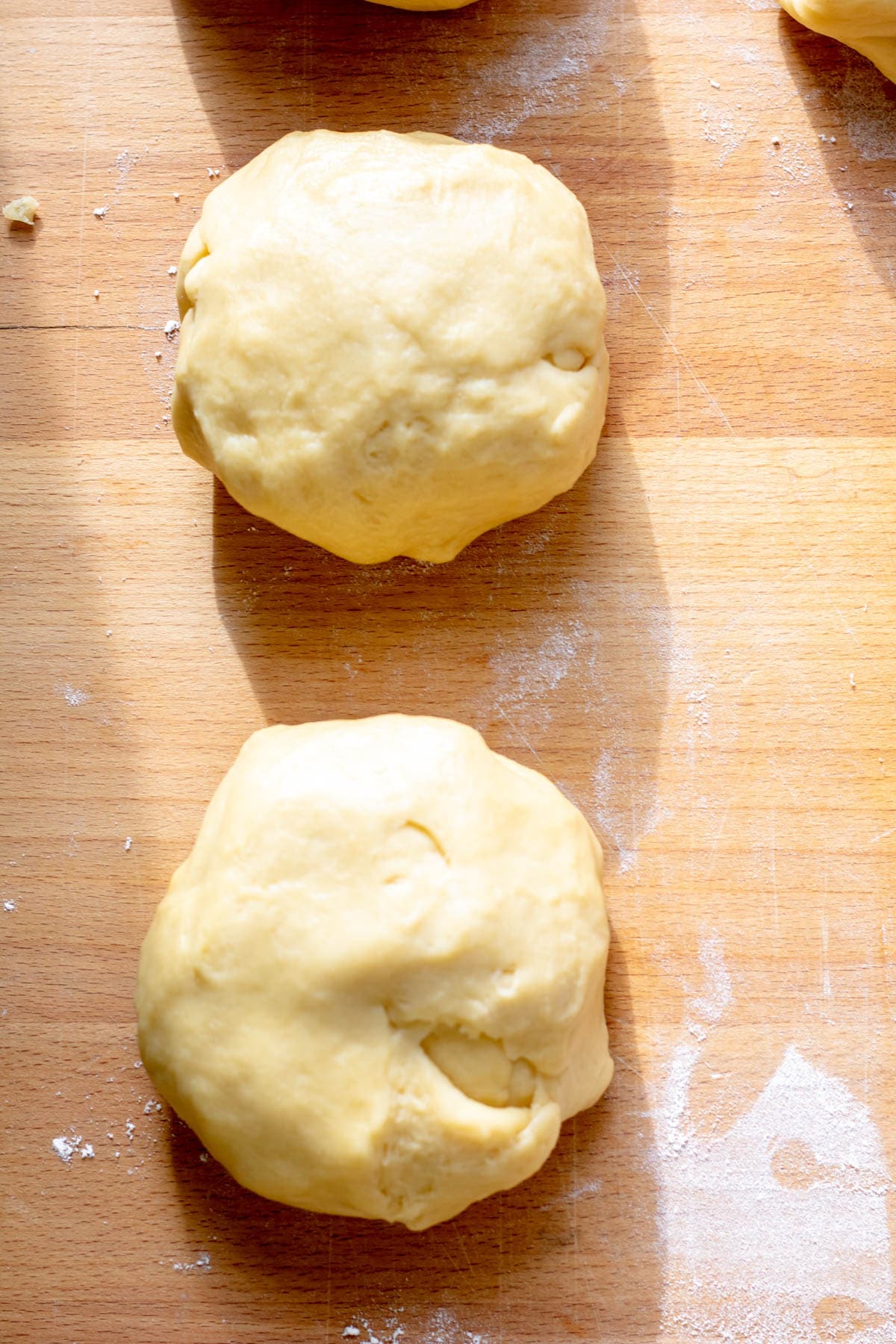
Step 1: Make the Dough
My mom always tells me that the dough should feel like velvet. As you knead it, you’ll feel the texture change beneath your hands until it becomes silky, smooth, and velvety. That’s what you’re looking for.
My grandmother always recommended refrigerating the dough overnight. I also love breaking up the work over two days, particularly when we’re making several varieties of kolache.
A tip from my grandmother: When you are activating the yeast before you add it to the dough – The milk is at the perfect temperature for the yeast when you can comfortably hold your finger in it for 10 seconds without it burning. If you prefer a thermometer, aim for 105–110°F.
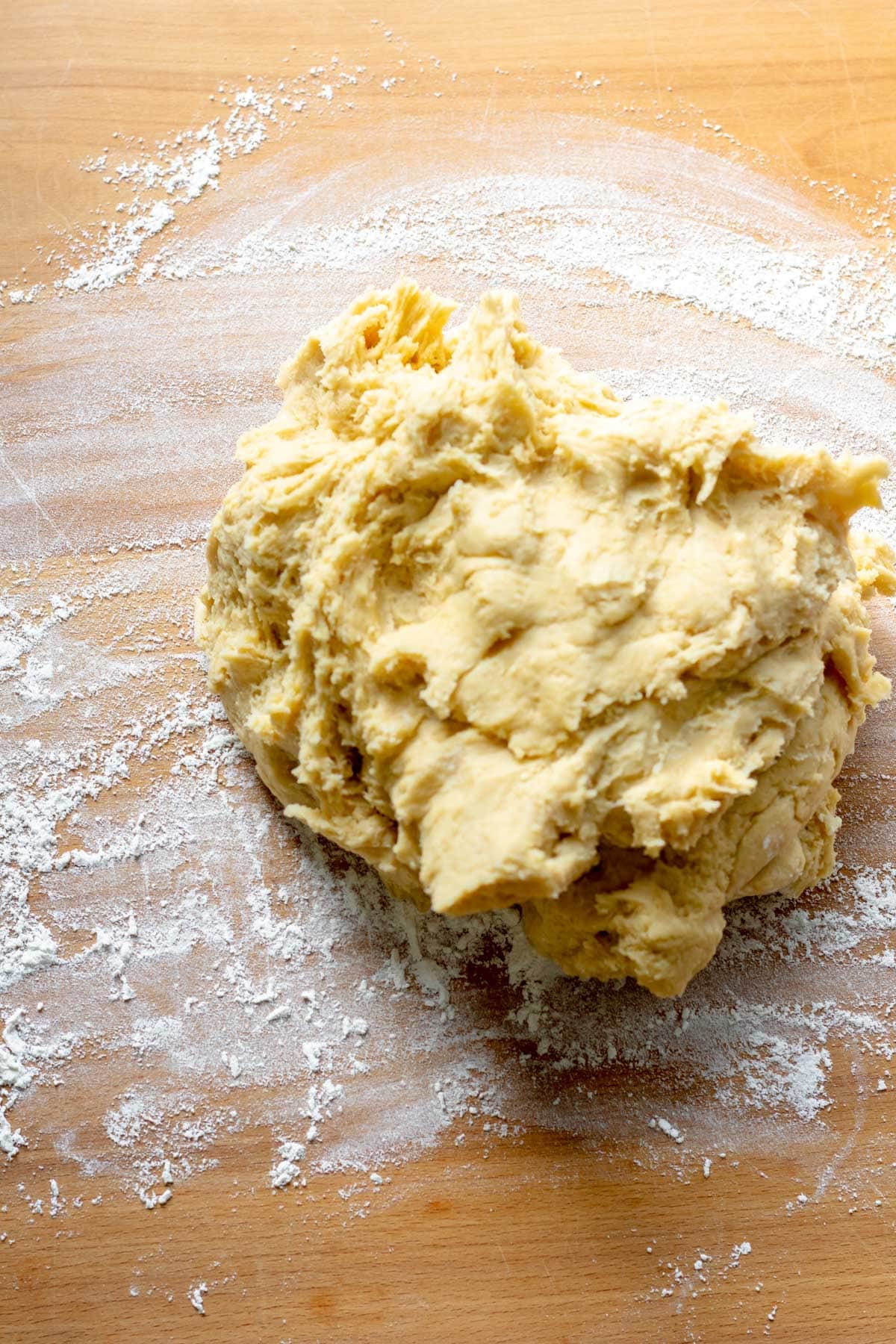
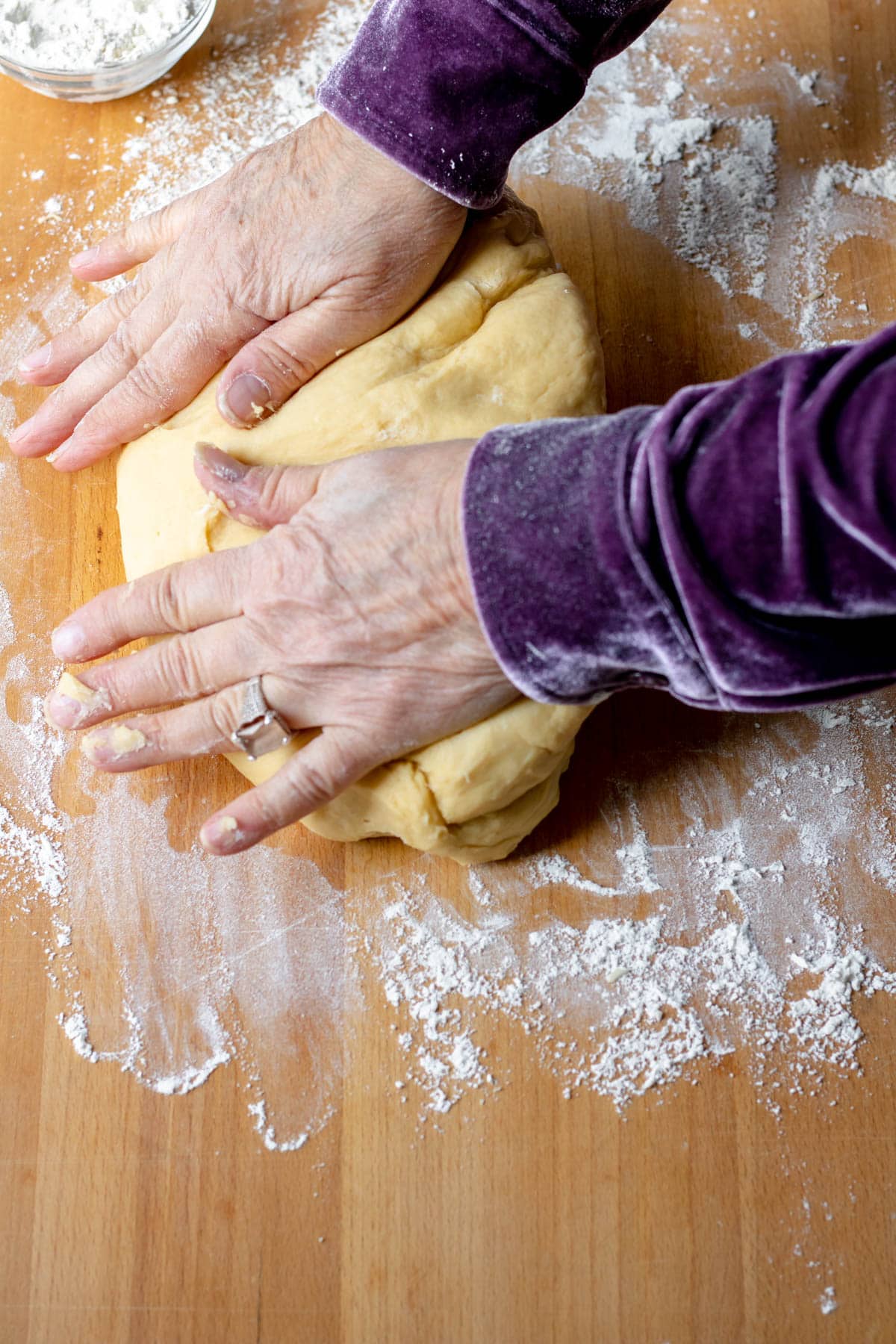
Step 2: Prepare the Walnut Filling
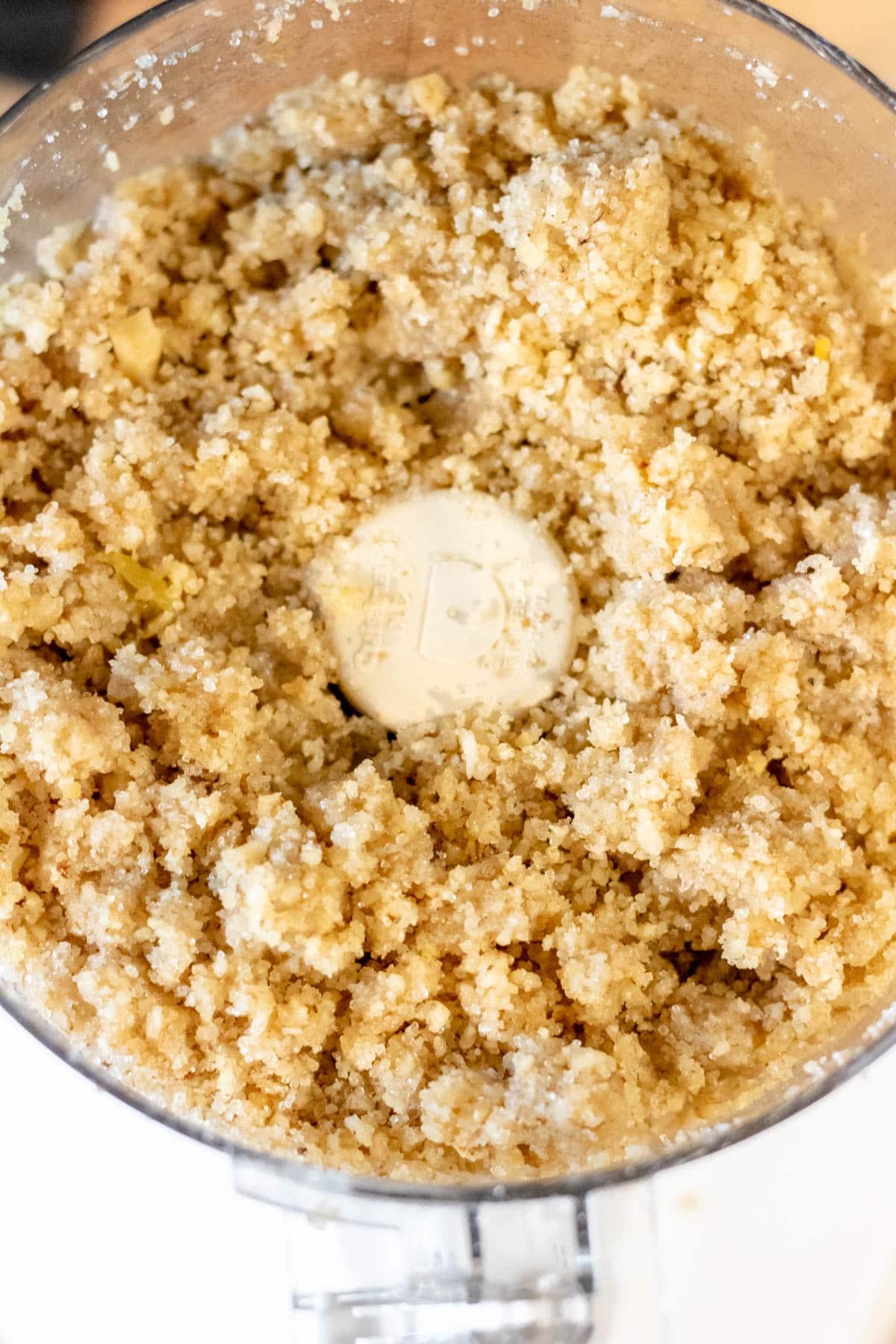
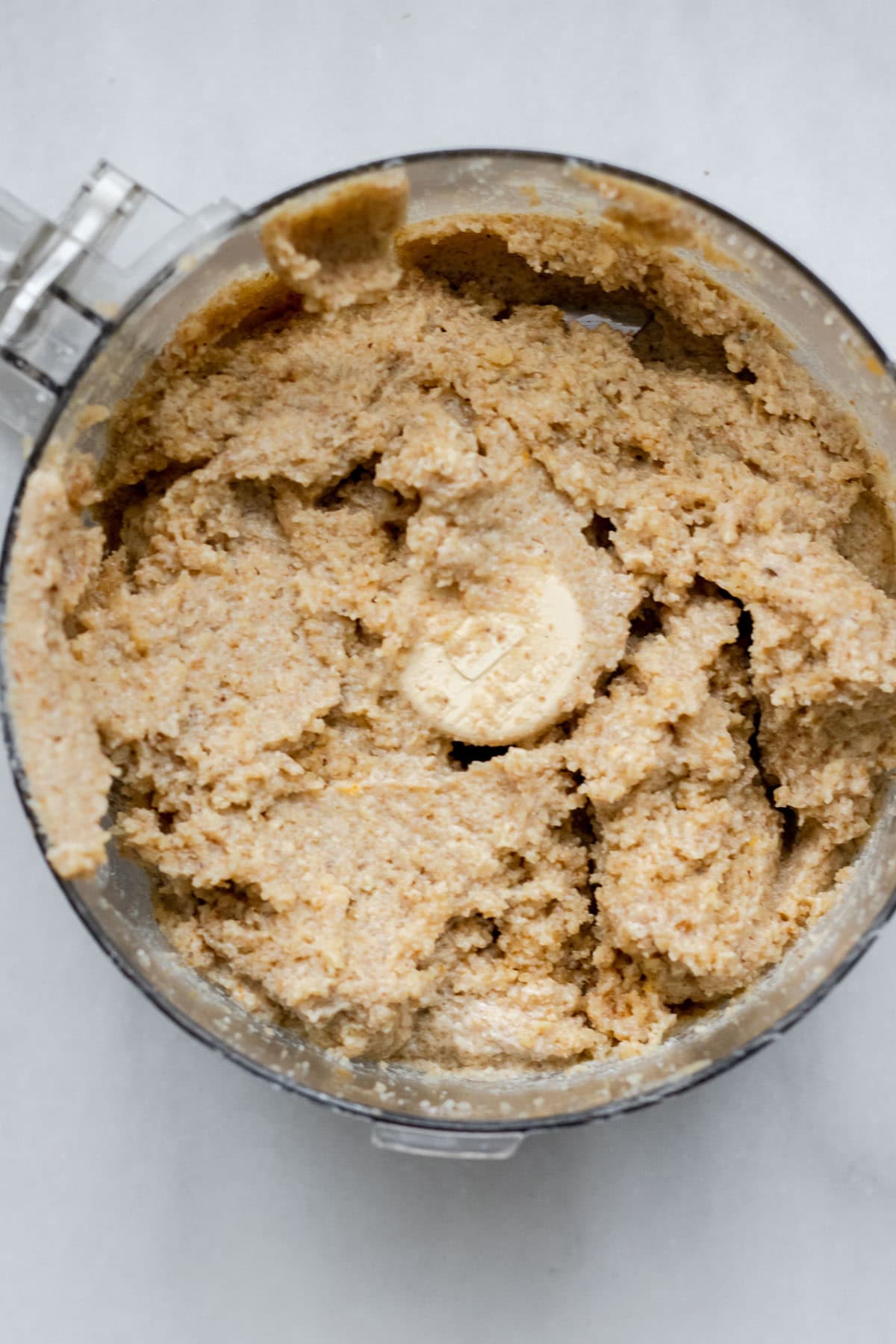
The trick to the walnut filling is getting the consistency just right. Start with a single tablespoon of half-and-half and gradually add more as needed. Pinch a little of the mixture between your fingers; it should feel slightly sticky and easily spreadable, but never wet or runny. You want to be able to spread it over the delicate dough without tearing it.
Step 3: Prepare the Lekvar (Prune Filling)
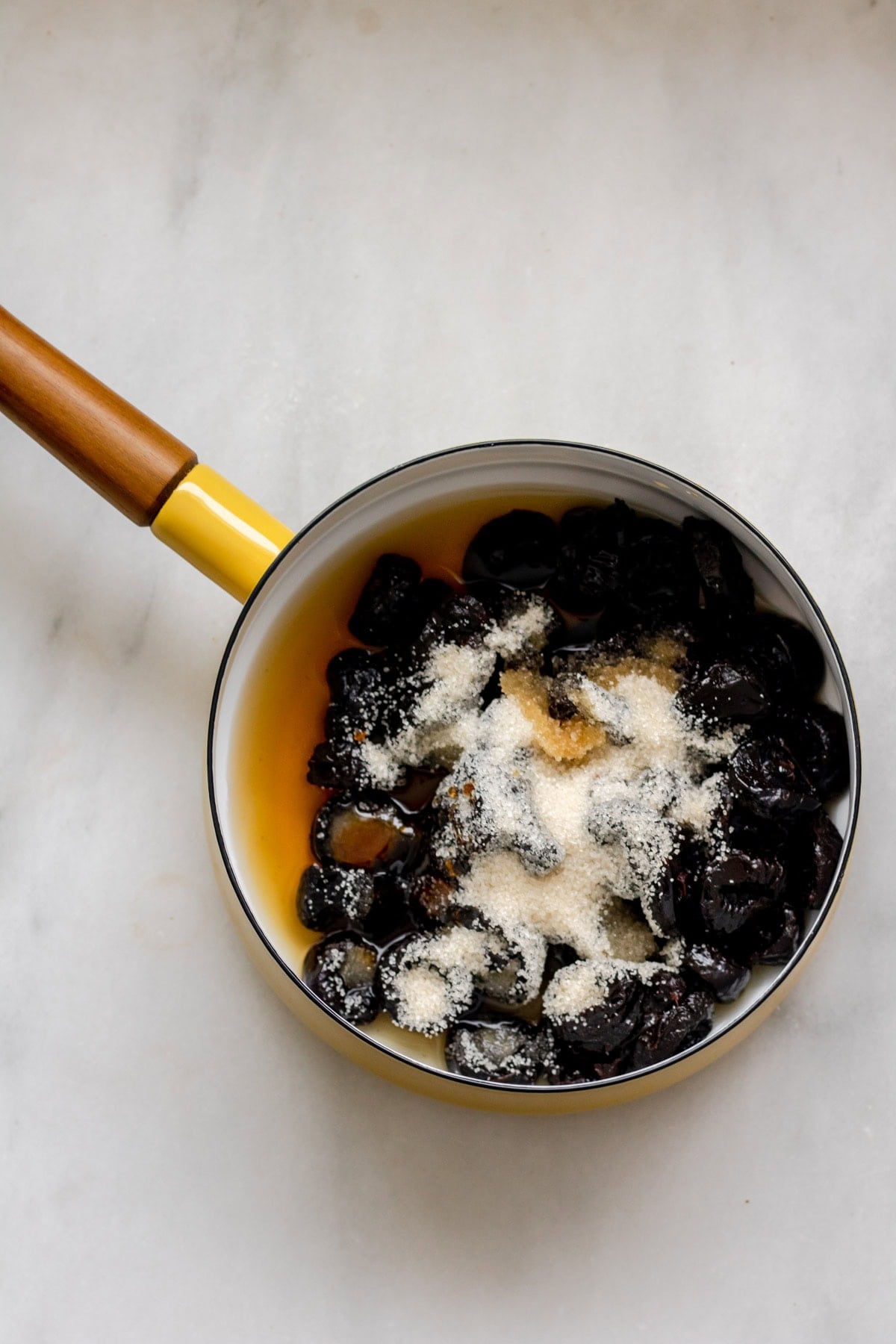
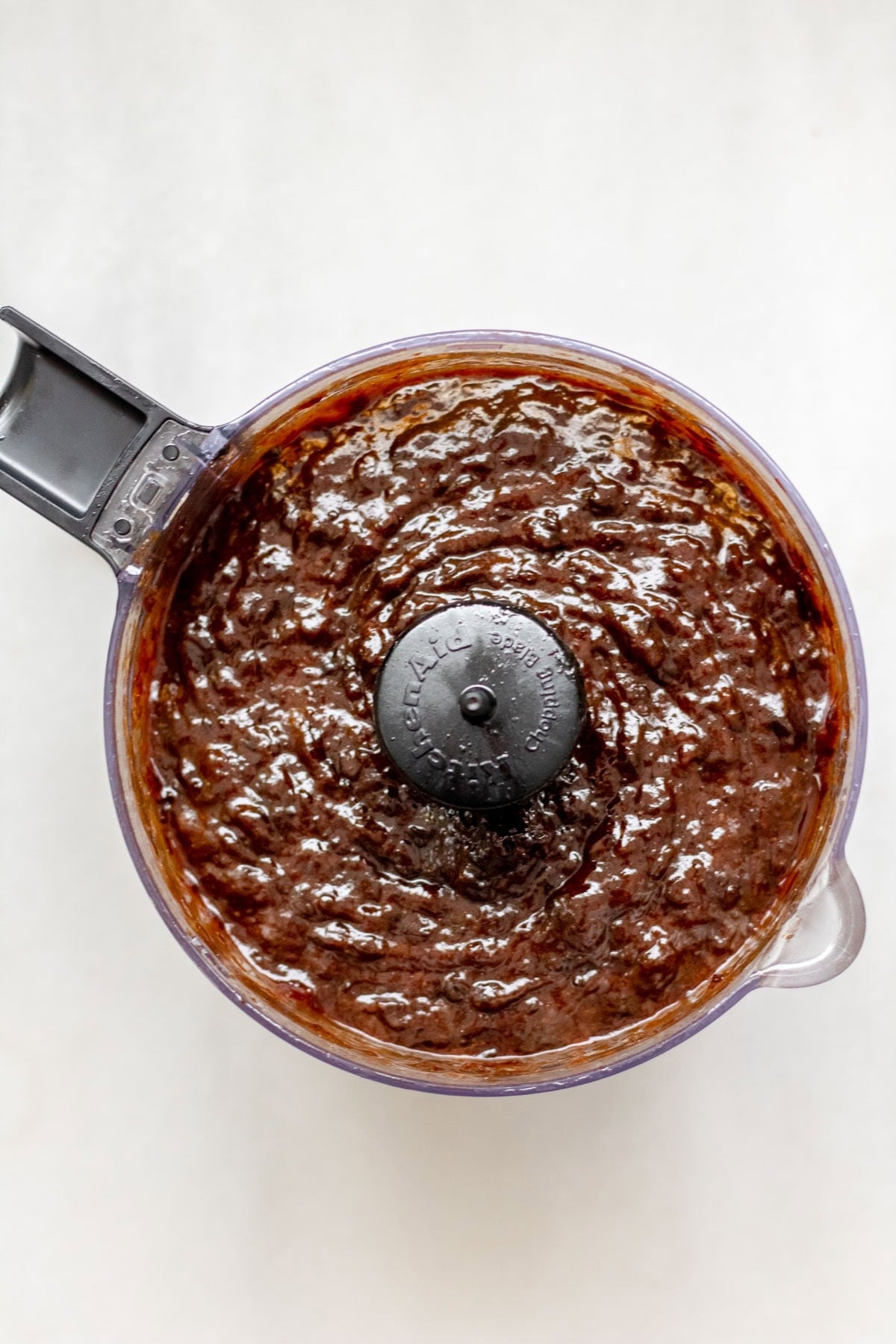
You want the prunes to be incredibly soft before puréeing. The finished lekvar should be thick, smooth, and almost jam-like. Give it a taste and adjust the honey or rum to your liking. Be sure to let it cool completely before spreading it onto the dough.
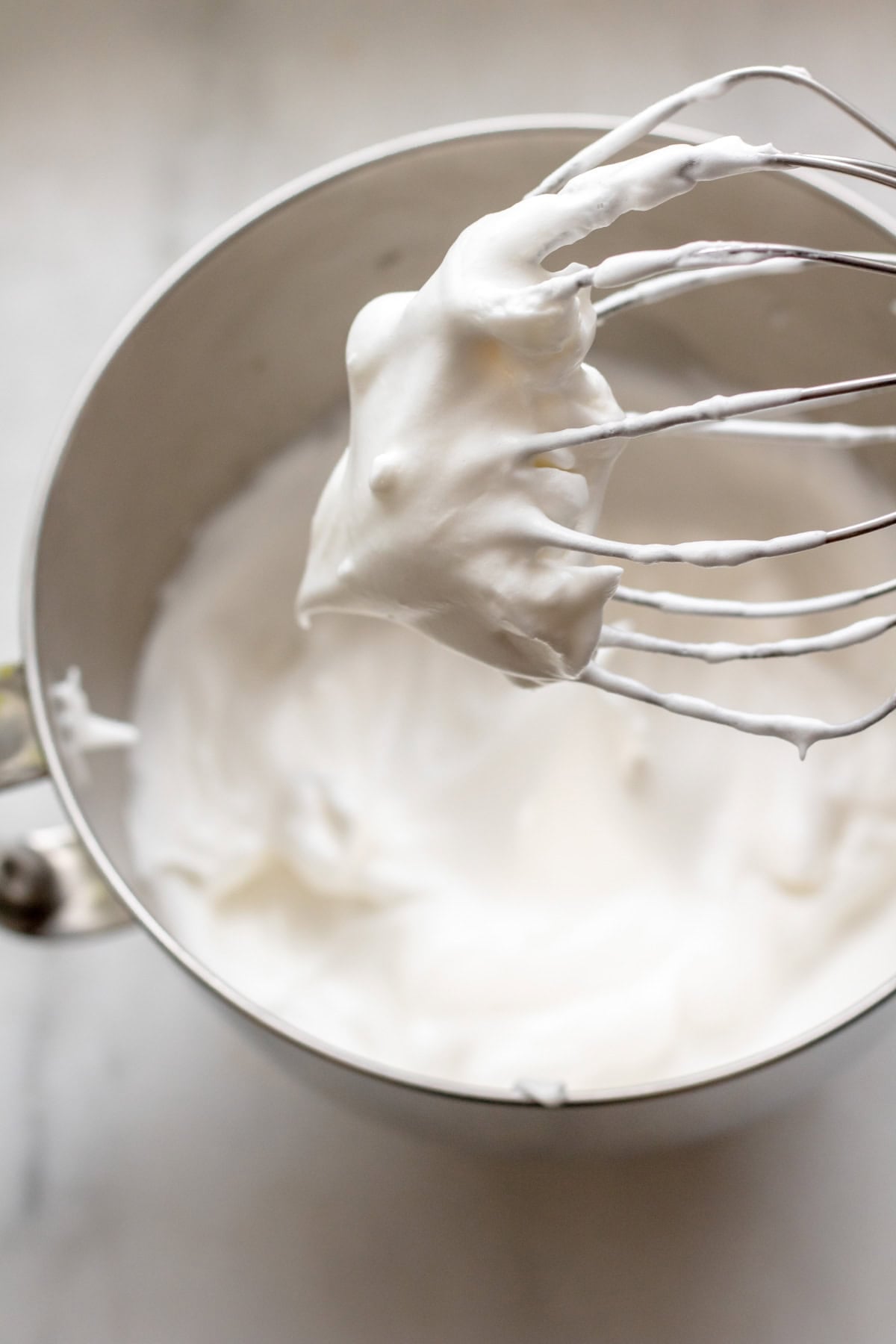
My Grandmother’s Secret to the Best Hungarian Nut Roll – The marshmallow.
That’s what my grandmother called it, anyway. It is simply egg whites whipped with sugar until soft peaks form, but it is quite possibly the most important part of this entire recipe.
Before rolling the kolache, we spread a layer of this fluffy, sweet meringue directly over the filling. As the kolache bakes, that layer helps keep the inside of the roll incredibly moist and tender.
I have eaten many a dry nut roll in my life and thought, what on earth is wrong with this? Turns out, my family has the secret. Please don’t skip the marshmallow.
You’re looking for soft peaks here, not stiff peaks. When you lift the whisk, the peak should gently fold over. The marshmallow should be soft and fluffy enough to spread easily over the filling. Wait until you’re ready to assemble the kolache to make it.
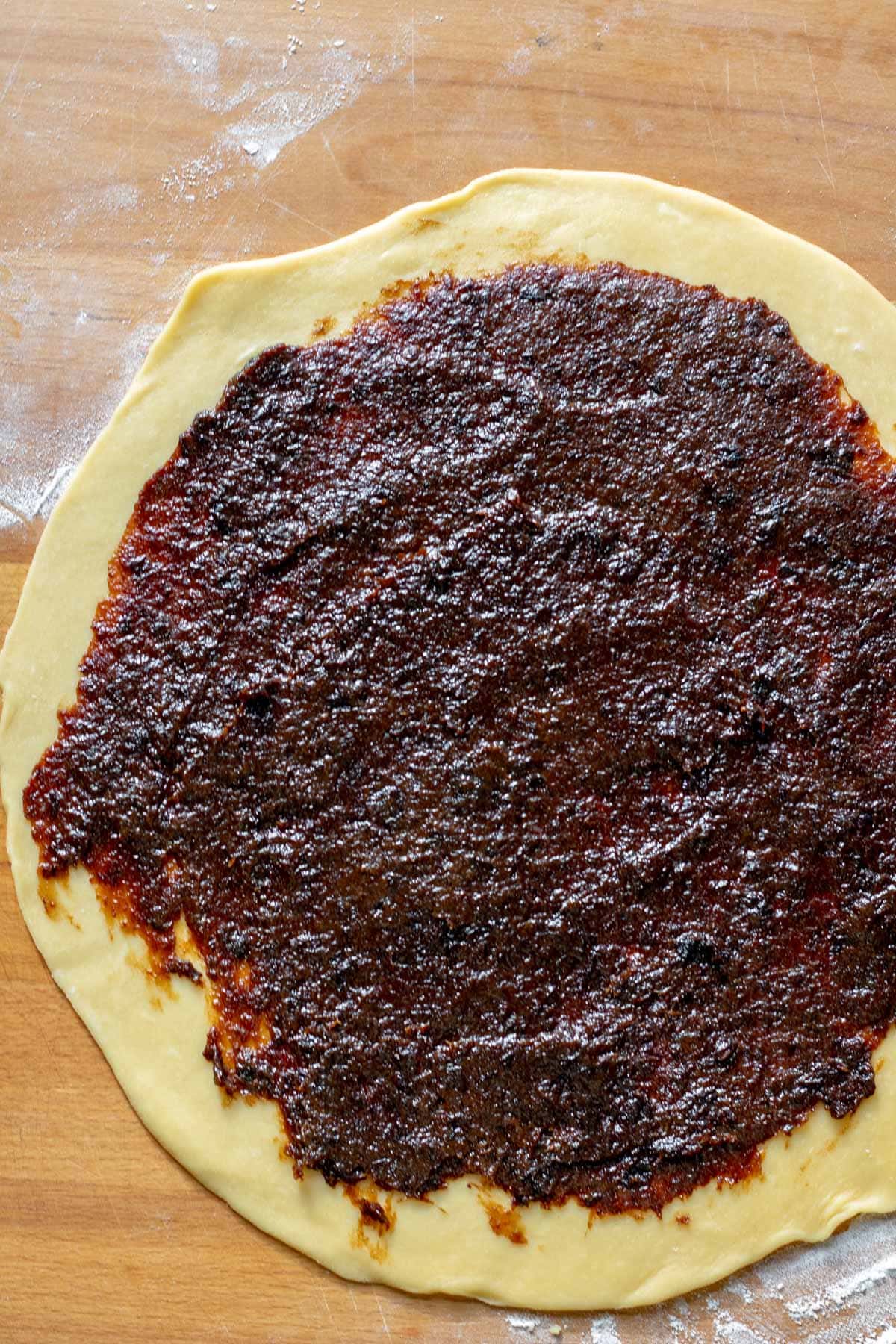
Step 5: Roll Out the Dough and Spread the Filling
On a lightly floured surface, roll each ball of dough into a thin, even circle approximately 10 inches in diameter. Aim for an even thickness throughout, as particularly thin spots are more prone to tearing.
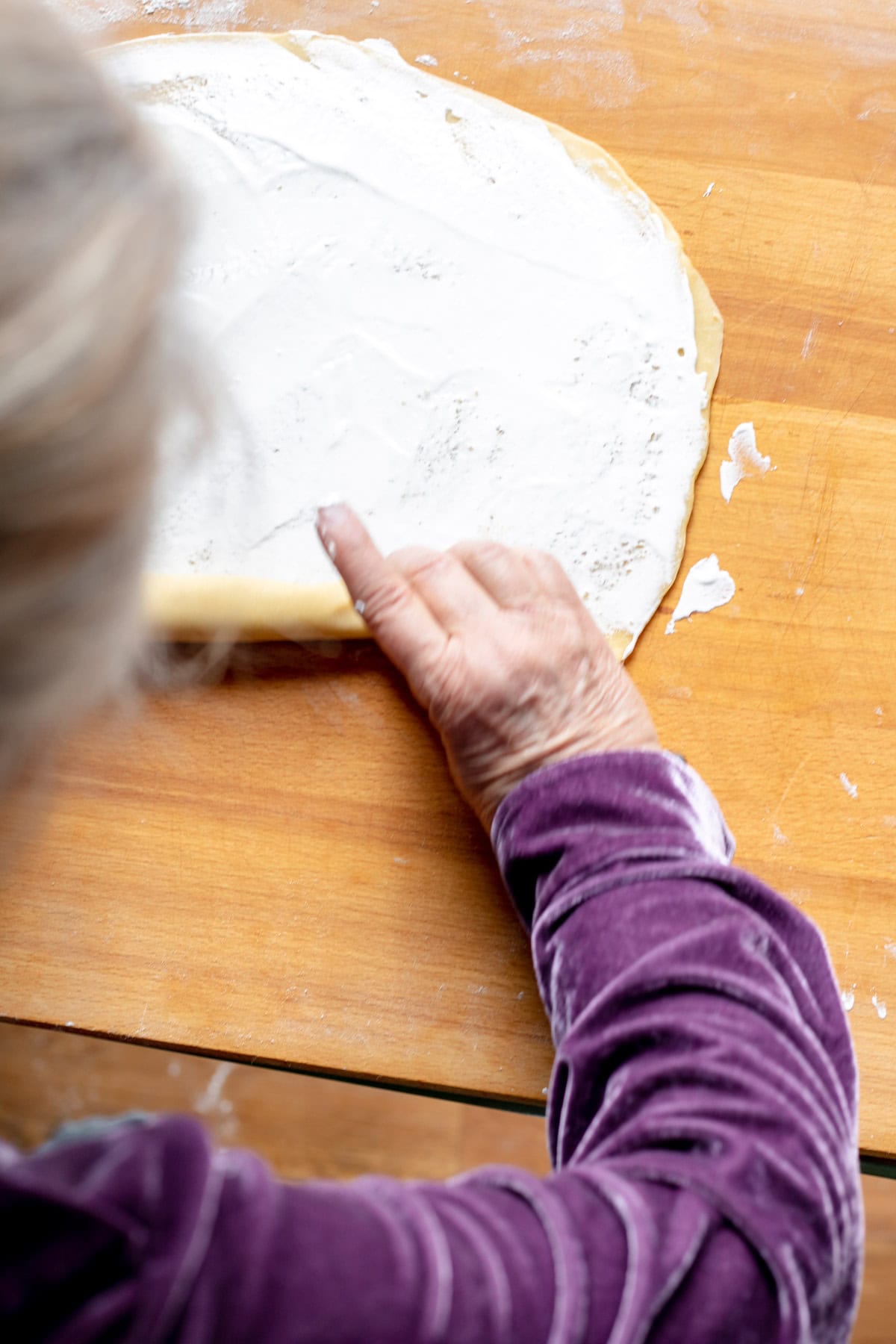
An offset spatula is particularly helpful for spreading the filling. Work slowly from the center outward, taking care not to tear the delicate dough. Leave a ½-inch border around the perimeter, then gently spread a generous dollop of marshmallow in an even layer over the filling.
Resist the temptation to add more filling! (Advice I clearly need to take myself.)
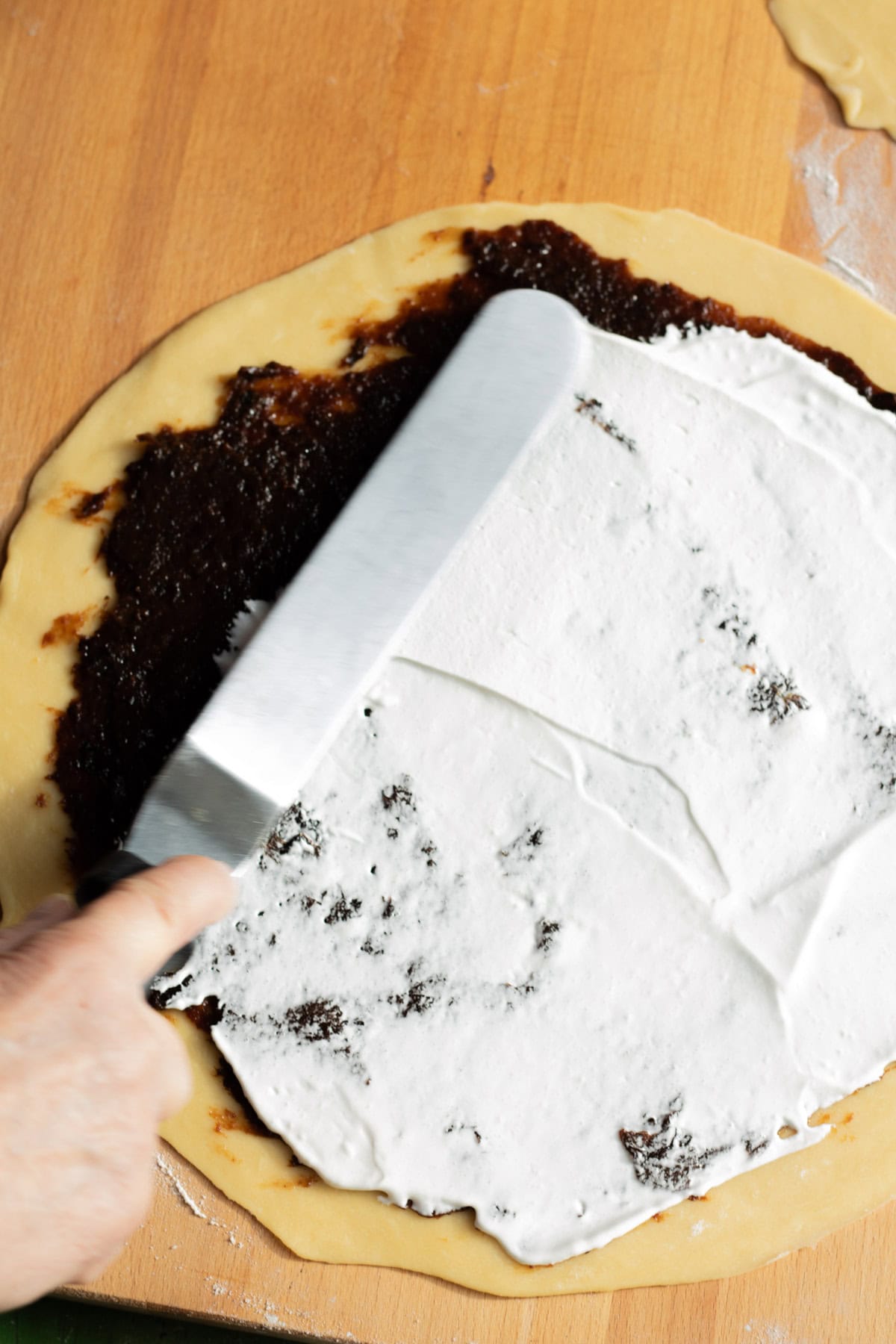
Step 6: Roll the Kolache
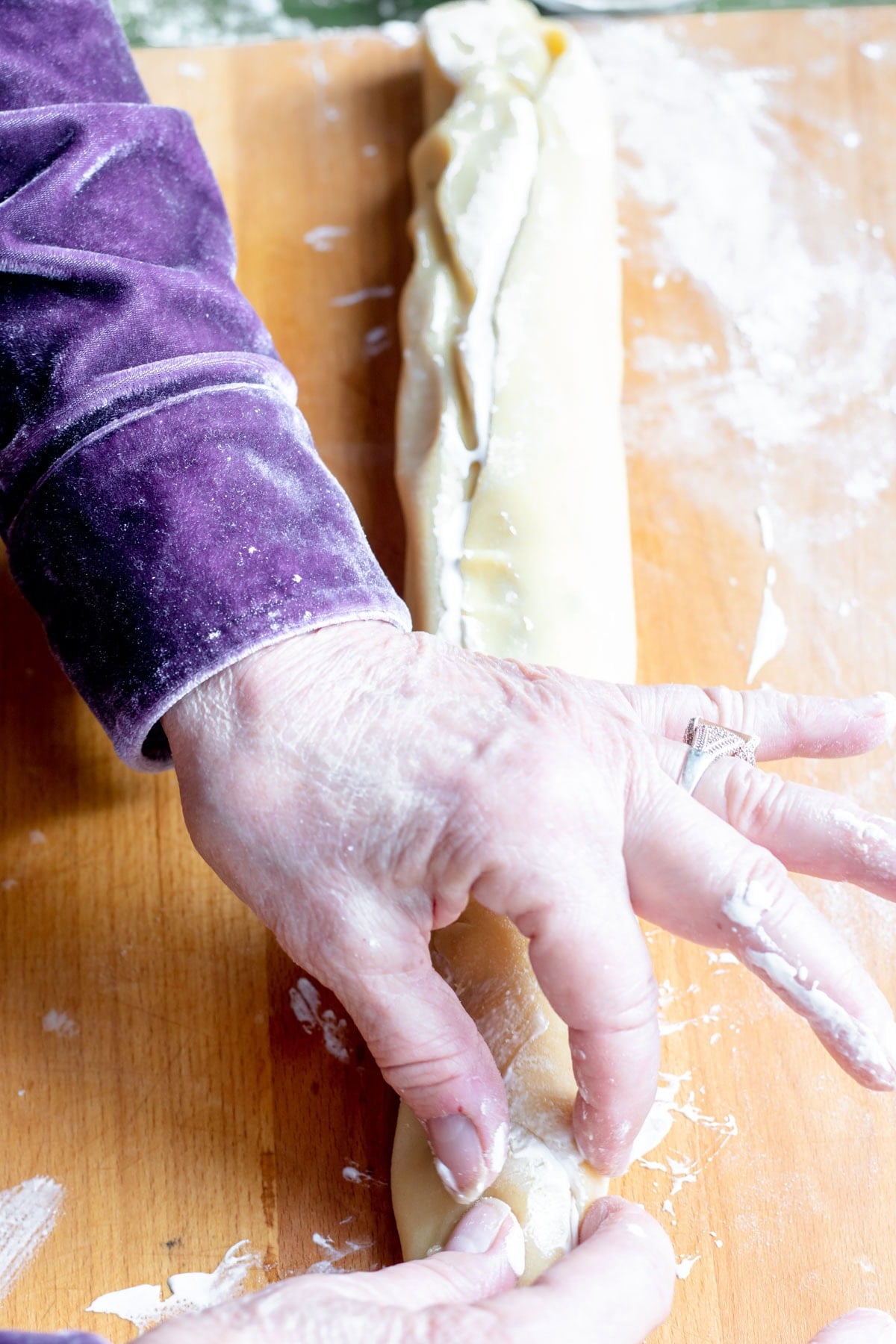
Take a close look at my mom’s hands in these photographs. As she rolls the dough away from her, she gently gathers and tucks in the sides, keeping the filling enclosed. You want a neatly rolled kolache, but don’t pull or stretch the dough too tightly.
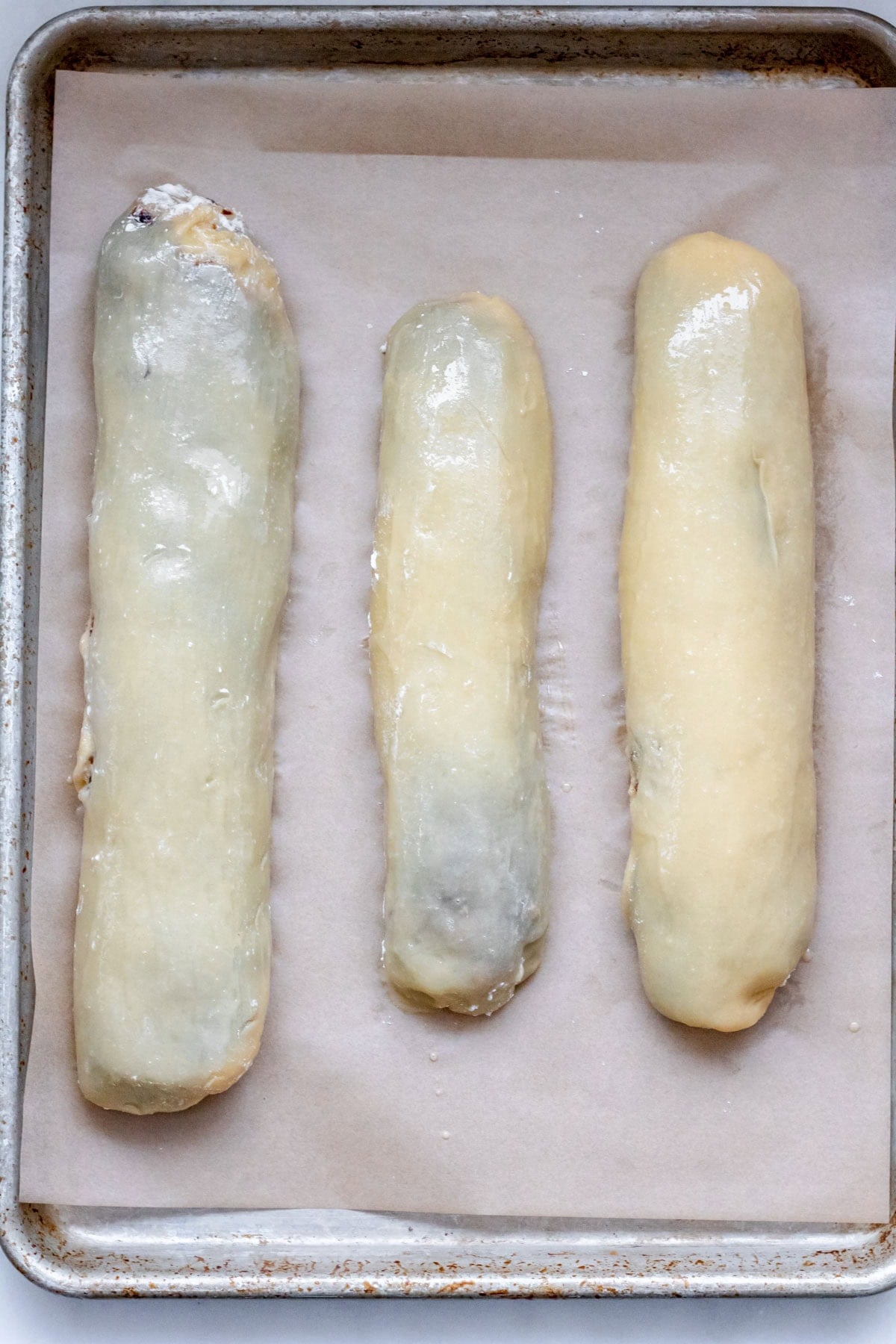
A little dab of marshmallow helps seal the seam. Always place the rolls seam-side down on the baking sheet.
Step 7: Rest and Bake
My mom has a little system for baking kolache. She places the first tray of assembled rolls on the stovetop and then turns on the oven to preheat. By the time the oven is ready, the kolache have had their second rise. While that batch bakes, the next tray rests on the warm stovetop (burners off). It’s a lovely rhythm once you get going.
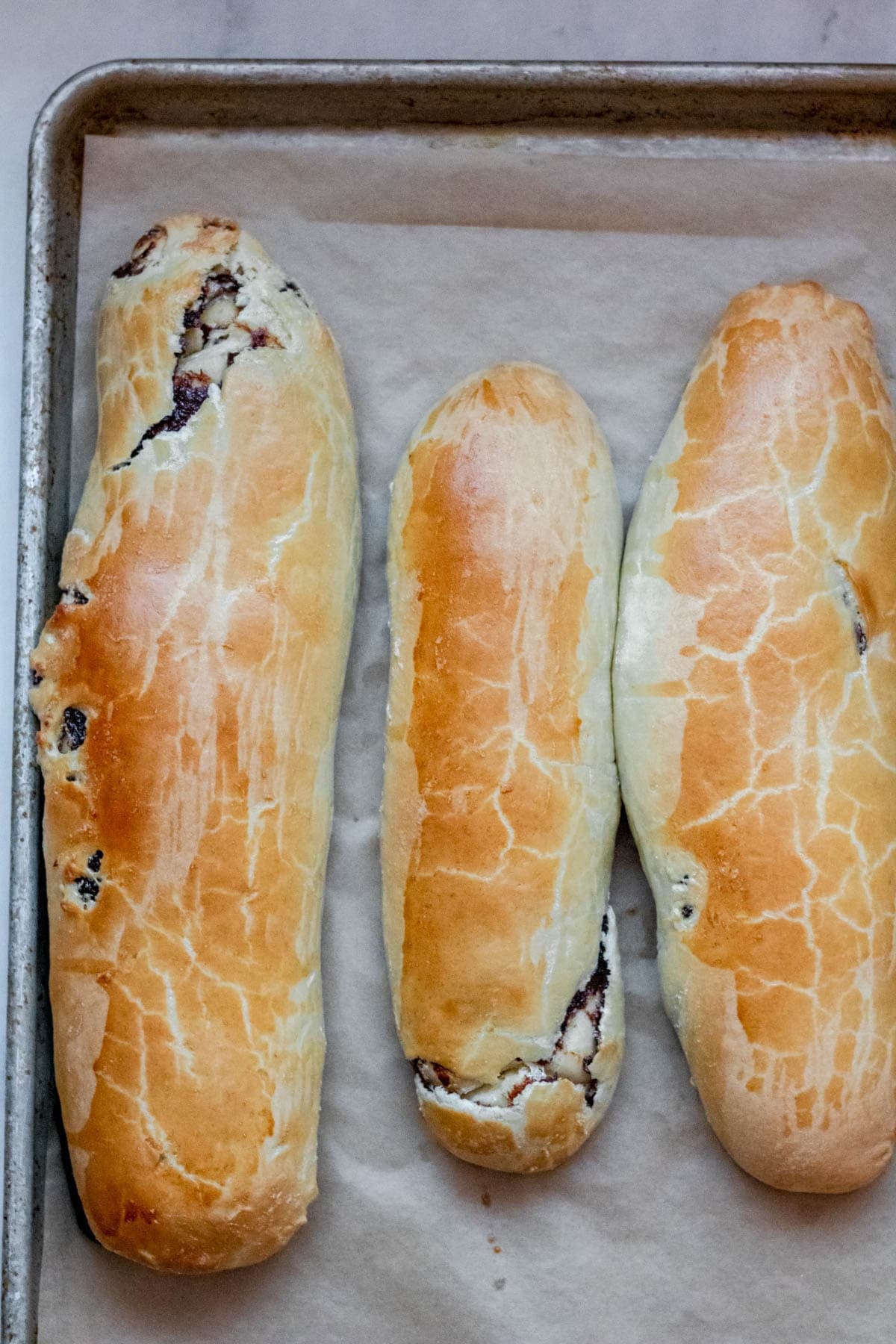
You’re looking for a light golden color, not a deeply browned pastry.
What if my kolache cracks? Well, just look at mine! I got a little carried away with the filling. Rolling the dough evenly, avoiding overfilling, and rolling gently can help minimize cracking. If it happens, don’t despair. Mine were absolutely delicious, cracks and all.
A Hungarian Christmas Tradition
Some families make cinnamon rolls for Christmas morning. In our family, Christmas morning has always meant warm kolache and coffee.
I can’t quite imagine Christmas without it.
I hope you love this recipe. I hope it finds its way onto your holiday table and, perhaps, becomes a tradition in your own home. I hope I only get better and better at making it.
I am admittedly a little emotional sharing this recipe. For my “just give me the recipe” friends, thank goodness for that jump-to-recipe button. 😉 But for those of you who have been here for a while, who have grown to know me and my family through the stories I share from my kitchen, this is a particularly special one.
A Little Note Before You Get Baking
I don’t yet know all the questions you might have about making this recipe. So much of what I know about making kolache comes from standing next to my mom in the kitchen, and I want to be as helpful to you here as she has been to me.
If you have a question, need clarification on a step, or are unsure about how something should look or feel, please leave a comment below. I am here, and I’ll continue to add to this post as your questions come in.
From my family’s kitchen to yours, with so much love.
If you’ve tried this recipe, don’t forget to rate and comment!

Kolache – Hungarian Nut Roll
Ingredients
Dough
- 1 lb unsalted butter softened
- 8 tbsp sugar
- 6 egg yolks reserve whites for meringue
- 6 cups all-purpose flour
- 6 ¾ tsp active dry yeast 3 packets
- 1 cup milk divided
Egg White Meringue (“Marshmallow”)
- 6 reserved egg whites
- 1 cup sugar
Walnut Filling
- 1 lb walnuts
- 1 cup sugar
- 1 tbsp orange zest
- 1 tsp vanilla extract
- ½ tsp orange extract
- 1 tbsp orange cognac We use Grand Marnier (optional)
- ¼ cup half-and-half as needed
Prune Filling (Lekvar)
- 2 lbs pitted prunes
- ½ cup water
- ½ cup sugar
- ¼ cup dark honey
- 1 tbsp dark rum
Instructions
Make the Dough
- In the bowl of a stand mixer fitted with the paddle attachment, cream together the butter, sugar, and egg yolks until light and smooth. Reserve the egg whites in a clean, covered container in the refrigerator until you're ready to make the marshmallow.
- Warm ¼ cup of the milk in a small saucepan to approximately 105–110°F. Pro tip from my grandmother: The milk is at the perfect temperature when you can comfortably hold your finger in it for 10 seconds without it burning. Stir the yeast into the warmed milk to dissolve. Allow to sit for a few minutes, or until foamy.
- Add the yeast mixture to the butter mixture, mixing to incorporate. Add the flour and remaining ¾ cup milk and mix until just combined and a soft dough forms.
- Turn the dough out onto a lightly floured surface and knead 10–15 times, until smooth and silky.
- Divide the dough into 8 equal pieces and shape each piece into a ball. Cover well and refrigerate overnight (my grandmother's preferred method), or for at least 2 hours.While the dough is chilling, prepare the fillings.
Prepare the Fillings
- In the bowl of a food processor, combine the walnuts, sugar, vanilla extract, orange extract, orange zest, and Grand Marnier. Process until finely ground and well combined.Add the half-and-half 1 tablespoon at a time, processing between additions, until the mixture reaches a spreadable consistency. You will typically need about ¼ cup, but start with 1 tablespoon and gradually add more as needed.When you pinch a little of the filling between your fingers, it should feel slightly sticky and easy to spread. You do not want the mixture to be runny.
- Prune Filling (Lekvar): In a saucepan, combine prunes, water, sugar, honey, and rum. Cook over low heat for about 10 minutes, stirring occasionally, until prunes are very soft and the sugar is dissolved. Let cool slightly, then transfer to a food processor and purée until smooth. Taste and add a little more honey or rum, if desired. Allow to cool completely before assembling the kolache.
Make the Egg White Meringue (“Marshmallow”)
- When you're ready to assemble and bake the kolache, add the reserved egg whites to the clean bowl of a stand mixer fitted with the whisk attachment.Beat until the egg whites are white, foamy, and have nearly doubled in volume.Gradually add the sugar while continuing to whip until soft peaks form. This will take several minutes. The mixture should be glossy and fluffy.My grandmother called this “the marshmallow,” and it is her secret weapon for an incredibly moist and tender nut roll. Don't skip this step!
Assemble the Kolache
- Preheat oven to 350°F and line baking sheets with parchment paper. Working with one ball of dough at a time, roll the dough on a lightly floured surface into a thin, even circle approximately 10 inches in diameter.
- Spoon approximately ¾ cup of your chosen filling into the center of the rolled-out dough. Using a large offset spatula or pastry spreader, gently spread the filling evenly over the dough, leaving a ½-inch border around the perimeter. Take care not to tear the dough.
- Spoon a generous dollop of marshmallow (approximately ½ cup) onto the center of the filling and gently spread it into an even layer over the filling.
- Starting with the edge closest to you, carefully roll the dough away from you, gently gathering and tucking in the sides as you go to enclose the filling.
- Once you've reached the end, use a little additional marshmallow to help seal the seam. Carefully transfer the kolache to the parchment-lined baking sheet, seam-side down.
- Continue assembling the kolache, working in batches and leaving space between the rolls on each baking sheet.
Rest and Bake the Kolache
- Once you've assembled your first tray of kolache, place the baking sheet on top of the stove (with the burners off) and turn the oven on to preheat to 350°F. Allow the kolache to rest and rise slightly while the oven preheats.
- Once the oven reaches temperature, bake for 20–25 minutes, or until lightly golden brown.
- While the first batch is baking, continue assembling the next batch of kolache. Allow each subsequent tray to rest on the warm stovetop while the previous batch bakes. Alternatively, use another gently warm spot in your kitchen.
- Continue this process until all 8 kolache are baked
- Allow the kolache to cool completely before slicing.
Notes
Recipe Notes
Yeast: This recipe calls for 6¾ teaspoons (21 grams) of active dry yeast, equivalent to three standard ¼-ounce packets. If using fresh yeast, substitute one 2-ounce (56-gram) cake of fresh yeast. Make Ahead: My grandmother always recommended preparing the dough the day before baking and refrigerating it overnight. You can also prepare the walnut and prune fillings a day in advance and refrigerate them in airtight containers. Wait until you’re ready to assemble the kolache to make the marshmallow. Filling Quantities and Variations: The dough recipe yields 8 kolache, and each homemade filling recipe yields enough for approximately 5 rolls. In my family, we typically make the full batch of both fillings, as well as a few poppy seed rolls using canned poppy seed filling. We reserve any leftover walnut or prune filling to make our traditional Hungarian Kiffle Cookies. Avoid Overfilling: As tempting as it is to add extra filling, overfilling the kolache can cause the dough to crack during baking. Aim for approximately ¾ cup of filling and ½ cup of marshmallow per roll. Roll the dough gently, without pulling or stretching it too tightly. A Note About the Second Rise: The kolache do not need to double in size before baking. My mom’s method of resting each tray on the warm stovetop while the oven preheats or the previous batch bakes gives the dough time to rise slightly before baking. Nutrition Info: is not terribly accurate for this recipe b/c it is calculated based on all of the ingredients. There will be extra filling etc.Nutrition

Meet Abra Pappa, MS, CNS, LDN
Abra is a licensed nutritionist, seasoned home cook, and forever flavor-chaser. She’s spent more than two decades exploring the connection between food and health—and just as long obsessing over what makes something truly delicious. Abra’s Kitchen is where those two loves meet, with recipes that celebrate vegetables, follow the seasons, and make you excited to cook.